
30 Second Summary:
- A cat cyst is a small sac filled with fluid or other material that can develop anywhere on a cat's body. It is one of the most common lumps and bumps found on a cat's skin.
- Cysts contain an oily substance secreted by sebaceous glans (sweat glands).
- Cysts can be benign (non-cancerous) or malignant (cancerous).
- They can vary in size and may be visible on the surface of the skin or may be located deeper within the body.
- Cysts can occur for a variety of reasons. There can be several reasons why a cat might develop a cyst. Some common causes of cysts in cats include:
- :Infection: Cysts can sometimes develop as a result of an infection, such as a bacterial or fungal infection.Inflammation:
- Inflammation can cause fluid to accumulate, leading to the formation of a cyst.
- Other underlying conditions: Certain medical conditions, such as hormonal imbalances or allergies, can increase the risk of developing cysts.
- Trauma: Physical injury or trauma to the skin can also lead to the formation of a cyst.
- It is important to have a cyst evaluated by a veterinarian to determine the cause and the appropriate treatment. The vet will perform a physical examination and may recommend additional tests, such as x-rays or a biopsy, to help diagnose the cause of the cyst.
- Feline cysts are classified as true cysts (closed structure with a lining that separates the cyst from nearby tissue), follicular cysts (dilated hair follicles), sebaceous cysts (usually on chest sides and legs, fluid-filled bumps that are not cancerous), dermoid cysts (rare cyst that forms before birth) and false cysts (do not contain a secretory lining, formed by trauma or hemorrhage).(2)
- It is important to have a cyst evaluated by a veterinarian to determine the cause and the appropriate treatment, particularly to keep an infection from forming. Some types of cysts can develop into malignant tumors (cancerous) that can then spread to other parts of the body.
- Your veterinarian will take a sample (biopsy) to check the cyst and remove it in the office.
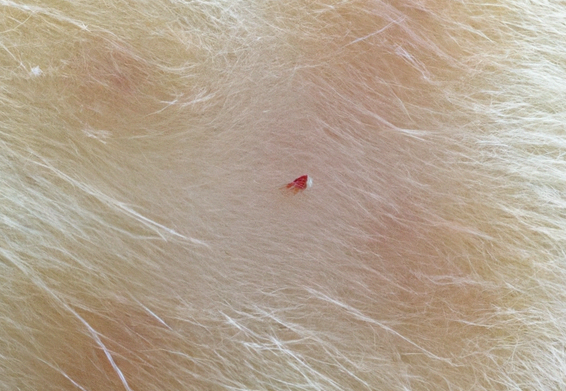 Cat Skin Cyst
What is a Cat Cyst?
A feline cyst is a small bump that can be felt through the skin. Cysts can be caused by a number of things and are often harmless, but it's best to have them checked out by your veterinarian to make sure.
They may develop as a result of an infection, a clogged oil duct, or a foreign body in the skin (such as a splinter). Cysts can be composed of dead cells, fluid, or semi-fluid matter.
Types of Feline Cysts
Cysts go by several names although the symptoms, diagnosis and treatment is the same:
- Sebaceous Cysts (epidermal inclusion cysts) - this is the most common type of cyst in cats and appears anywhere on your cat's body. The cysts can be up to 1 inch in size and needs drainage to avoid infection (it is filled with a something called sebum). They are usually benign (not cancerous). The cysts develop when there is an issue with clogged or blocked hair follicle. Follicular cysts are rare in cats, but are seen in the form of chin feline acne. These are a type of benign tumor (not cancerous) and are similar to skin tags.
- Keratinous cysts – contains a grayish cheesy material
- Follicular cysts – caused by retention of fluid or skin material
- Pilar cysts (trichilemmal isthmus-catagne) – material from hair follicles
- Dermoid cysts – Hereditary cysts
- Apocrine cysts – multiple cysts that are adjacent (also called apocrine hamartomas or nevi)
- Lipomas (non-cancerous fatty lumps)
- Squamous cell carcinomas - typically found on white cats in hairless areas such as on the ears, nose and eyelids (senior cats)
- Basal Cell Tumors - most common type of skin tumor in cats and take the form of small firm lumps, usually on the neck and head.
Symptoms
A cyst is usually a small bump and may seem to roll around under your touch like a small pea or marble. They are generally slow-growing and smooth to the touch. They are usually painless, unless they are infected. However, sometimes they will grow fairly large and will become bothersome even if not infected. They can occur on any part of the body. You are most likely to discover them while petting your cat.
Diagnosis
A cyst is easily diagnosed. If you find an odd bump on your cat, visit your vet to get it checked out. Depending on the location, shape, look, and feel of the bump, your vet may recommend a biopsy or may simply diagnose a cyst on the spot. A biopsy involves using a needle (fine needle aspiration) to remove some cells from the lump or cutting away a small bit of skin from the lump to be examined by a pathologist. The biopsy will determine if the lump is a cyst or some sort of tumor, perhaps a form of cancer, and let your vet know what kind of treatment is needed. Alternatively, your vet may opt to simply remove the lump right away.
Four types of malignant skin tumors made up 77% of all cases:(1)
- Basal cell tumors - 77%
- Mast cell tumors - 15%
- Squamous cell tumors - 15%
- Fibrosarcomas - 15%
Treatment and Removal
If your vet determines that the lump on your cat's skin is just a fluid filled cat cyst and that it is not causing your pet any problems, he or she may advise leaving it alone. Cysts will often rupture and heal on their own without any treatment.
If there is an infection, the fluid will need to be drained or the cyst may need to be surgically removed. If the cyst is causing your pet discomfort, if will also need to be removed via surgical removal. If there is any question about the nature of the lump, it should also be removed in order to make sure it is not cancerous or otherwise harmful to your cat. A veterinarian may prescribe antibiotics.
In the majority of cases, surgery is recommended and other treatments are unnecessary. Chemotherapy and/or radiation therapy in pets with matrical carcinomas or sebaceous gland adenocarcinomas may be recommended.
Procedures used to remove cysts in cats include eletrocautery (process that uses heat generated by electricity to remove the cyst and cyst wall) or cryotherapy (freezing). Your cat will need to be sedated to minimize movement during the procedure. You cat may require anesthesia.
Frequently Asked Questions
What does a cyst on a cat look like?
Cysts can vary in size and appearance. They may be small and barely noticeable, or they may be larger and more visible. A cyst may appear as a bump or swelling on the surface of the skin, and it may be smooth or firm to the touch. Some cysts may contain fluid that is clear or slightly cloudy, while others may contain a more solid material. In some cases, a cyst may be accompanied by other signs, such as redness, swelling, or heat in the affected area. It is important to have a cyst evaluated by a veterinarian to determine the cause and the appropriate treatment.
Can a cat cyst go away on its own?
It is possible for a cyst to resolve on its own, depending on the cause and the underlying conditions. However, it is generally best to have a cyst evaluated by a veterinarian to determine the cause and the appropriate treatment. If the cyst is benign (non-cancerous) and not causing any problems, the vet may recommend leaving it alone and monitoring it to see if it goes away on its own. However, if the cyst is causing discomfort or other problems, or if it is cancerous, treatment may be necessary. Treatment options may include draining the cyst, removing it surgically, or prescribing medications to help resolve the cyst.
Why is my cat getting cysts?
If a cat has recurrent cysts, it is important to determine the underlying cause in order to determine the most appropriate treatment. Recurring cysts may be caused by:
- Persistent infection: If the cyst is caused by an infection, it is possible for the infection to recur if it is not properly treated.
- Inflammation: Chronic inflammation can lead to the formation of recurrent cysts.
- Other underlying conditions: Certain medical conditions, such as hormonal imbalances or allergies, can increase the risk of developing recurrent cysts.
- Trauma: If the cyst is the result of trauma to the skin, it is possible for the cyst to recur if the area is injured again.
It is important to have a recurring cyst evaluated by a veterinarian to determine the cause and the appropriate treatment. The vet may recommend additional tests, such as x-rays or a biopsy, to help diagnose the cause of the cyst.
References
(1) Cutaneous Neoplasia in 340 Cats - SAGE Journals
(2) VCA Hospitals, Know your Pet Series, Cysts
(3) Cutaneous Pseudo-Neoplasms in Dogs and Cats D.N. Carlotti, DECVD Cabinet de Dermatologie Vétérinaire Bordeaux-Mérignac, France