Diabetic Cat Diet
"Diabetic cat diet can have a positive impact on your cat's health. Cat's that respond to one type of diet may not respond to the other, so some experimentation may be needed. In general, you should start your cat on a low carbohydrate, high protein diet. This will help the majority of cats with diabetes."
Diet is an important part of caring for a diabetic cat. Remember, that you should speak with your veterinarian if considering a change in diet so she can monitor any changes that are required in your cat's treatment.
As your cat improves, you may need to adjust the amount of insulin your cat receives. Not all diabetes cases are reversible, however, most cats will improve through dietary change. Monitor your cat's blood sugar carefully, as diet could cause a reduction in insulin by as much as 50% or more. Giving your cat too much insulin could result in death, something that could easily be avoided with monitoring.
In general, a canned diet with a low carbohydrate cat food should lead to the best results in your cat. If you think about a cat being a meat eater, and meat as a protein, then it makes sense. Canned foods in general also have low carbohydrates. Dry foods can have carbohydrate levels as high as 35%, a level far beyond the 5% your cat's body is designed to digest.
There are two types of diets that have been shown to help diabetic cats. In a study of approximately 60 cats conducted by Bennet N., Greco DS, it was found that most cats did better on a low carbohydrate diet.
Comparison of Two Diabetic Cat Diet Options |
||
|---|---|---|
|
Diet |
Low
Carbohydrate/High Protein |
High Fiber |
|
Cat Food |
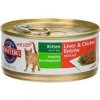 Hill's Science Diet Feline Growth |
|
|
% of Cats that Improved |
81% |
56% |
|
% of Cats off insulin |
60% |
35% |
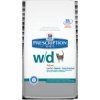
Both products were canned. Other canned products to consider that are low in carbohydrates are Purina DM (available with a prescription) and Fancy Feast. The following Fancy Feast flavors are recommended by the web site Feline Diabetes for a diet for diebetic cat.
- Tuna and Ocean fish
- Flaked Ocean Fish Feast
- Savory Salmon Feast
- Tender Beef Feast
- Flaked Fish & Shrimp Feast
- Turkey & Giblets Feast
- Tender Liver & Chicken Feast
The majority of articles and studies on diabetic cat diet point to the low carbohydrate diet as being the first to try. It is tricky to read food labels and then determine the % of carbs. You would have to deduct from 100% the percentages listed for water, fiber, protein, minerals and fat. The water content throws the percentages off a bit. Using a "dry" measure, the better way to take these readings, will show that the carb % is a couple of points higher than what is indicated.
Overweight Cats and a Diabetic Cat Diet
Diabetes in overweight cats is thought to be a function of the insulin production not being able to keep up with the amount of food your cat is taking in. Weight gain is due to the foods your cat is eating not meeting their appetite for protein and fat, the diet they get in the wild. Dry foods have high carbohydrate percentages from cheap filler ingredients such as corn. Since the protein and fat percentages are lower, your cat will grave more food.
Switching to a low carbohydrate/high protein diet as a diet for diabetic cat, like those mentioned above will help your cat feel full. You should of course increase the amount of exercise your cat gets as well. If you cat was trained to go for walks with a harness, an extra walk a day can help. If this isn't an option, consider a toy such as the Kong Naturals Crinkle Ball With Feathers Cat Toy that has a catnip pouch as a reward for play.
How to Switch A Diabetic Cat Diet
Cats can be picky eaters. If you cat prefers dry food, then move them to canned food gradually when moving to a diabetic cat diet. Over a period of 7 to 10 days mix the dry food with a bit of canned. Slowly increase the percentage of canned until the dry food is completely replaced.
As mentioned above, monitor your cat's blood glucose levels and adjust the insulin doses to reflect the improvement in your cat's health. If you cat can tolerate a faster transition, it is suggested that you moved to canned as fast as you can.
Homeopathic Approaches to Cat Diabetes
While there isn't a large body of research on the specific impact of certain minerals and herbal products on cat diabetes, several are thought to have a positive impact. These include:
- Vaccinium myrtillus (Bilberry): anti-oxidant
- Chromium picolinate: mineral that helps sugar metabolism. FDA human studies show that is may help reduce the body's resistance to insulin.
- Galega officinalis (Goat’s Rue): helps the pancreas and supported with human clinical trials by Muller H and Reinwein H.
- Trigonella foenum-graecum (Fenugreek): may help to naturally regulate blood sugar levels in humans (i(Thakran, S., Siddiqui, M. R., and Baquer, N. Z.)
- Astragalus membranaceus: helps the immune system.
One source for additional research that makes a
product made specifically for cat's with diabetes and that combines
these ingredients is PetAlive
GlucoEnsure.
References for Diabetic Cat Diet:
Dietary Recommendations for Cats with DM
Deborah Greco, DVM, PhD, ACVIM
The
Carnivore Connection to Nutrition in Cats
Debra L. Zoran, DVM
Have a Cat Diabetes Related Question or Want to Share a Story that could help others?
Do you have a question for our veterinarian about diabetes in cats or have a helpful story to share? Our Veterinarian will answer the question for free!
We will do our best to get back to you quickly (it depends on how many questions we receive each day). If you need an immediate response we suggest using this online cat veterinary answer service that is available now.
What Other Readers Have Asked About Diabetes in Cats
Click below to see contributions from other visitors to this page...
Feline Diabetes and Weight Loss Not rated yet
Hello,
My cat was diagnosed with diabetes about two months ago. When first diagnosed he was at 14.2 pounds. Since that time he has lost 2 pounds. We …
